Sunday, 17 May 2020
lLailatul Qadr: শবে কদরে যে দোয়াটি পড়া মাত্র আল্লাহ্ আপনার সকল গ...
lLailatul Qadr: শবে কদরে যে দোয়াটি পড়া মাত্র আল্লাহ্ আপনার সকল গ...: শবে কদরে যে দোয়াটি পড়া মাত্র আল্লাহ্ আপনার সকল গুনাহ্ মাফ করে দিবেন । মনের অশা পুরণ হবে। LAILATUL QDR رَبَّنَا اغْفِرْ لَنَا وَلِإِخْوَان...

শবে কদরে যে দোয়াটি পড়া মাত্র আল্লাহ্ আপনার সকল গুনাহ্ মাফ করে দিবেন
শবে কদরে যে দোয়াটি পড়া মাত্র আল্লাহ্ আপনার সকল গুনাহ্ মাফ করে দিবেন । মনের অশা পুরণ হবে।
 رَبَّنَا فَاغْفِرْ لَنَا ذُنُوْبَنَا وَكَفِّرْ عَنَّا سَيِّئَاتِنَا وَتَوَفَّنَا مَعَ الْأَبْرَارِ
উচ্চারণ : 'রাব্বানা ফাগফিরলানা জুনুবানা ওয়া কাফফির আন্না সায়্যিআতিনা ওয়া তাওয়াফফানা মাআল আবরার।'
অর্থ : 'হে আমাদের প্রভু! সুতরাং আমাদের গোনাহগুলো ক্ষম করুন। আমাদের ভুলগুলো দূর করে দিন এবং সৎকর্মশীল লোকদের সাথে আমাদের শেষ পরিণতি দান করুন।' (সুরা আল-ইমরান : আয়াত ১৯৩)
رَبَّنَا فَاغْفِرْ لَنَا ذُنُوْبَنَا وَكَفِّرْ عَنَّا سَيِّئَاتِنَا وَتَوَفَّنَا مَعَ الْأَبْرَارِ
উচ্চারণ : 'রাব্বানা ফাগফিরলানা জুনুবানা ওয়া কাফফির আন্না সায়্যিআতিনা ওয়া তাওয়াফফানা মাআল আবরার।'
অর্থ : 'হে আমাদের প্রভু! সুতরাং আমাদের গোনাহগুলো ক্ষম করুন। আমাদের ভুলগুলো দূর করে দিন এবং সৎকর্মশীল লোকদের সাথে আমাদের শেষ পরিণতি দান করুন।' (সুরা আল-ইমরান : আয়াত ১৯৩) মুমিন মুসলমানের উচিত, সেজদায় গিয়ে তাসবিহ পড়ে কিংবা শেষ বৈঠকে তাশাহহুদ ও দরূদ পড়ার পর নিজেদের গোনাহ থেকে মুক্তির জন্য কুরআনে বর্ণিত এ দোয়াগুলো বেশি বেশি পড়া।
আল্লাহ তাআলা মুসলিম উম্মাহকে গোনাহ থেকে ক্ষমা লাভে বিশ্বনবি সাল্লাল্লাহু আলাইহি ওয়া সাল্লামের শেখানো শবে কদরের এ ছোট্ট দোয়াটি বেশি বেশি পড়ার তাওফিক দান করুন। নামাজের সেজদা ও তাশাহহুদে ক্ষমা লাভের কুরআনি দোয়াগুলো পড়ার তাওফিক দান করুন। প্রত্যেক রোজাদার মুমিন মুসলমানকে লাইলাতুল কদর লাভের তাওফিক দান করুন। আমিন।
মুমিন মুসলমানের উচিত, সেজদায় গিয়ে তাসবিহ পড়ে কিংবা শেষ বৈঠকে তাশাহহুদ ও দরূদ পড়ার পর নিজেদের গোনাহ থেকে মুক্তির জন্য কুরআনে বর্ণিত এ দোয়াগুলো বেশি বেশি পড়া।
আল্লাহ তাআলা মুসলিম উম্মাহকে গোনাহ থেকে ক্ষমা লাভে বিশ্বনবি সাল্লাল্লাহু আলাইহি ওয়া সাল্লামের শেখানো শবে কদরের এ ছোট্ট দোয়াটি বেশি বেশি পড়ার তাওফিক দান করুন। নামাজের সেজদা ও তাশাহহুদে ক্ষমা লাভের কুরআনি দোয়াগুলো পড়ার তাওফিক দান করুন। প্রত্যেক রোজাদার মুমিন মুসলমানকে লাইলাতুল কদর লাভের তাওফিক দান করুন। আমিন।
মাহে রমজানে আমরা বেশি বেশি কোরআন পাঠ করব। চেষ্টা করব অর্থ বুঝে তবেই পাঠ করার। সব সময় কোরআনের সঙ্গে থাকব। কারণ এ মাসেই আল্লাহ মহা পবিত্র আল কোরআন নাজিল করেছেন। এই কোরআন মানবজাতির সর্বাঙ্গীণ কল্যাণ ও মুক্তির দিশারি বা পথপ্রদর্শক।

সুপ্রিয় আলোর পথের যাত্রী বিন্দ আসা করি আল্লাহর রহমত ও দয়ায় আপনারা সবাই ভালো আছেন ।
সম্মানিত দর্শক আজকে আলোচনা করবো একটি দোয়া সম্পর্কে যা আপনি সিজদাহ রত অবস্থায় ১০ বার পাঠ করলে
আল্লাহ্ আপনার সকল মনের আশা পূরণ করে দিবেন। এমনকি, আপনি যা চাইবেন আল্লাহ্ পাক আপনাকে তা ই দান করবেন ।
পুরো আমলটি করার নিয়ম জানতে ভিডিওটি শেষ পর্যন্ত দেখুন।
আমাদের এই সমাজে কে না চায় যে, আমার চাওয়া পাওয়া গুলো পূরণ হোক? সবাই চায় আমি আল্লাহ্ তায়ালার কাছে যা চাইবো তিনি যেন তা পূরণ করেন।
সবাই চাই আল্লাহ্ তায়ালার প্রিয় বান্দা-বান্দি হতে। এজন্য সমাজে সকল মাখলুকাত এর আশা আকাঙ্ক্ষা গুলো আল্লাহ্ সুবানাহু অয়া তায়ালাই পূরণ করে থাকেন।
আপনি যদি এই দোয়াটি সিজদাহ এর মধ্যে ১০ বার পাঠ করতে পারেন, তাহলে আল্লাহ্ তায়ালা আপনার মনের সকল চাওয়া গুলো পূরণ করে দিবেন।
আপনি চা চাইবেন আল্লাহ্ তায়ালার কাছে তিনি তাই কবুল করবেন ইনশাল্লাহ। সম্মানিত দর্শক এর জন্য আপনার মনের মধ্যে যথেষ্ট পরিমান
একিন ও ইখলাস থাকতে হবে। এবং নিয়ম যেনে এবং তা মেনে আমলটি করতে হবে। ইনশাল্লাহ আল্লাহ্ তায়ালার রহমতে আপনি সফলতা পাবেন।
আমলটি করার নিয়ম, এই আমলটি করতে হবে আপানকে তাহাজ্জত নামাজের সময়। এবং তাহাজ্জতের নামাজের সিজদাহ এর মধ্যে যদি আপনি
দোয়াটি ১০ বার পাঠ করেন, তাহলে আল্লাহ্ তায়ালা আপনার সকল ইচ্ছা গুলো পূরণ করে দিবেন। দোয়াটি হচ্ছে, "রাব্বানা আতিনা ফিদ্দুনিয়া হাসানা, ওয়াফিল
আখিরাতি হাসানা, ওয়াকিনা আজাবান্নার"। অর্থঃ হে আমার প্রভু! আমাকে দুনিয়াতে কল্যাণ দান কর, আখেরাতেও কল্যাণ দান কর এবং আমাকে জাহান্নাম থেকে বাঁচাও। -সূরা বাকারা : ২০১
আপনি তাহাজ্জত এর নামাজের ভিতরে সিজদারত অবস্থায়, ( প্রথম সিজদাহ হোক, দ্বিতীয় সিজদাহ হোক)
সিজদার তাজবিহ পাঠ করে সিজদা রত অবস্থায় এই দোয়াটি ১০ বার পাঠ করবেন। ১০ বার পাঠ করে আপনি নামায শেষ করে, কয়েকবার আস্তাগফিরুল্লাহ,
কয়েক বার দুরুদ শরীফ পড়ে তার পর আল্লাহর কাছে হাত তুলে দুয়া করবেন। ইনশাল্লাহ আপনি যা চাইবেন আল্লাহ্ পাক রাব্বুল আল আমিন আপানকে
তাই দান করবেন। পবিত্র কোরআনে বর্ণীত এ দয়াকে সর্ব শ্রেষ্ঠ দোয়া বলা হয়। হযরত মুহাম্মাদ সাঃ এই দোয়াটি সবচেয়ে বেশি করতেন। LAILATUL QDR
Friday, 8 May 2020
Lailatul Qadr night
Lailatul Qadr night

Laylat al-Qadr (Night of Destiny, Night of Power)
Type of Holiday: Religious (Muslim)
Date of Observation: One of the last ten days of Ramadan, the ninth month of the Islamic lunar calendar; usually the 27th
Where Celebrated: Africa, Egypt, India, Indonesia, Iran, Iraq, Jordan, Lebanon, Morocco, Pakistan, Saudi Arabia, Syria, Thailand, Turkey, and throughout the Muslim world
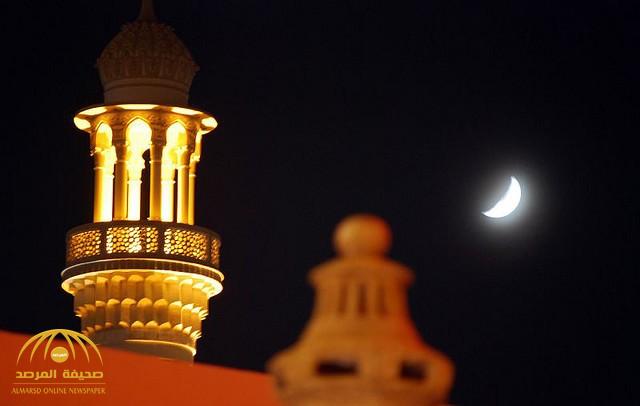
Symbols and Customs: Lanterns, Qur'an
Related Holidays: Laylat al-Miraj, Mawlid al-Nabi
Date of Observation: One of the last ten days of Ramadan, the ninth month of the Islamic lunar calendar; usually the 27th
Where Celebrated: Africa, Egypt, India, Indonesia, Iran, Iraq, Jordan, Lebanon, Morocco, Pakistan, Saudi Arabia, Syria, Thailand, Turkey, and throughout the Muslim world
Symbols and Customs: Lanterns, Qur'an
Related Holidays: Laylat al-Miraj, Mawlid al-Nabi
ORIGINS
Laylat al-Qadr is a holiday in the tradition of Islam, one of the world's largest religions. According to some estimates, there are more than one billion Muslims worldwide, with major populations found in the Middle East, North and subSaharan Africa, Turkey, Central Asia, and Southeast Asia. In Europe and the United States, Islam is the second largest religious group, with some seven million adherents in the United States. During the early years of Islam, the faith spread throughout the Arabian Peninsula into regions that are today occupied by Saudi Arabia, Syria, Iraq, and Jordan. Contrary to popular opinion, however, Muslims are not just Arabs. Muslims-followers of Islam-are found in many different ethnic groups all over the globe. In fact, Arabs make up less than twenty percent of Muslims.
The word Islam is an Arabic word that means "surrender to God." Its other meanings include peace, safety, and health. The central focus of Islam is a personal commitment and surrender to Allah, the Arabic word for God. In Islam, the concept of Allah is universal and eternal. Allah is the same in every religion and throughout the history of humankind. A person who follows Islam is called a Muslim, which means one who surrenders or submits to Allah's will. But Islam is not just a religion of belief; it is a religion of action. Five specific deeds are required of followers; these are called The Five Pillars of Islam. They are 1) Shahadah- confession of faith; 2) Salat-prayer/worship; 3) Zakat- charity; 4) Sawm-fasting; and 5) Hajj-pilgrimage.

The message of Islam was brought by Muhammad (570-632 C . E .), who is considered a prophet of Allah. The holy book of Islam is the Qur'an (also sometimes spelled Koran or Alcoran). According to Islamic belief, the Qur 'an was revealed to Muhammad by Allah over a period of twenty-three years. Authorship of the Qur'an is attributed to Allah, and not to Muhammad; Muhammad merely received it. Muslims believe that because it originated with Allah, the Qur'an is infallible.
There are two main sects within Islam: Sunni and Shi'ite. Sunni Muslims are the majority (estimated at about eighty percent). They recognize the authority of the first four Caliphs, including Ali, and they believe that the Sunna (the example of the Prophet Muhammad) is interpreted through the consensus of the community. Shi'ite Muslims also look to special teachers, called imams. The imams are the direct descendants of Muhammad through Fatimah and Ali. These individuals are believed to be inspired and to possess secret knowledge. Shi'ites, however, do not recognize the same line of Islamic leaders acknowledged by the Sunnis. Shi'ites hold to a doctrine that accepts only leaders who are descended from Muhammad through his daughter Fatimah and her husband Ali. Many Shi'ite subsects believe that true imams are errorless and sinless. They receive instruction from these leaders rather than relying on the consensus of the community.

Also known as the "Night of Power" or "Night of Destiny," Laylat al-Qadr celebrates the night on which, in 610 C . E ., the Q UR ' AN , or holy book of the Islamic religion, was first revealed to the Prophet Muhammad. While Muhammad was engaged in meditation in the cave of Hira, near the summit of the mountain Jabal Nur, the Angel Gabriel appeared to him with the first of the revelations that would continue on a sporadic basis for twenty-three years. The Prophet had no control over when Gabriel would speak, but when this occurred, Muhammad's state would visibly change. Once, for example, he was addressed by Gabriel while riding a camel. By the time the revelation was over, the camel was lying flat on the ground with its legs splayed out. Gabriel's words, according to Muhammad, physically assaulted him as if they were solid, heavy objects. In a trancelike state, Muhammad would repeat the words that Gabriel spoke, and his followers would record them on whatever was available-bones, bark, leaves, or scraps of parchment.
The first revelation is believed to have taken place during the last ten days of the holy month of RAMADAN. The widespread belief that the Qur'an was revealed on the twenty-seventh day of the month originated with Manicheism, a religion founded in the third century C . E . by Mani, who died on the twenty-seventh of Ramadan. Because no one is certain of the exact date, Muslims are asked to spend the last ten nights of Ramadan praying and reading the Qur'an. Some spend the entire night in the mosque during this period, or go out of their way to provide food and help for the poor. Laylat al-Qadr
SYMBOLS AND CUSTOMS
Lanterns
In Freetown, Sierra Leone, Laylat al-Qadr is known as the Day of Light or the Lanterns Festival. The custom of parading through the streets carrying lanterns on the twenty-sixth of Ramadan was introduced by a trader known as Daddy Maggay in the 1930s. Originally simple paper boxes, the lanterns were meant to symbolize the divine light of the Qur'an, sent down to earth by God (Allah). But as they grew into elaborate, floatlike structures, the competition among lanternbuilders grew fierce, often erupting in violence. The Young Men's Muslim Association took control of the festival in the 1950s, in the hope that they could reduce the violence through better organization of the lantern-building competition.

Qur'an
The Qur'an-an Arabic word meaning "recitation"-contains the laws for Islamic society, warnings about the end of the world, descriptions of heaven and hell, and stories about both biblical figures and events that do not appear in the Bible. Muslims regard the Qur'an as a continuation of God's revelations to the Jews and the Christians, whose Bibles record only portions of the truth. Many of the stories found in the Bible were partially corrupted in transmission, according to Muslim scholars, which explains why the Qur'an's version of certain Bible stories often differs considerably from those found in the Hebrew scripture.
The Qur'an is divided into 114 chapters known as Surahs. The longer Surahs precede the shorter ones, and the whole is divided into thirty sections of approximately equal length known as ajza' (singular juz') to make it easier to read the Qur'an on a regular basis. One juz' is supposed to be read every day of the month, and these divisions are usually indicated in the margins. Although parts of the Qur'an were written down during its revelation, large portions of it were also committed to memory, as was the custom in preliterate cultures. Until recently, the first step in a Muslim's education was to memorize the entire Qur'an. Even today, many Muslims know the book by heart.
Reciting passages from the Qur'an is the primary activity associated with Laylat al-Qadr. The written book is considered by Muslims to be the earthly or material manifestation of the Uncreated Qur'an in much the same way that Christians regard Jesus as the human incarnation of God.

FURTHER READING
Ahsan, M.M. Muslim Festivals. Vero Beach, FL: Rourke Enterprises, 1987. Bellenir, Karen. Religious Holidays and Calendars. 3rd ed. Detroit: Omnigraphics, 2004. Glassé, Cyril. The Concise Encyclopedia of Islam. 2nd ed. San Francisco: Harper & Row, 1999. Gulevich, Tanya. Understanding Islam and Muslim Traditions. Detroit: Omnigraphics, 2004. Henderson, Helene, ed. Holidays, Festivals, and Celebrations of the World Dictionary. 3rd ed. Detroit: Omnigraphics, 2005. Ickis, Marguerite. The Book of Festivals and Holidays the World Over. New York: Dodd, Mead, 1970. MacDonald, Margaret R., ed. The Folklore of World Holidays. Detroit: Gale Research, 1992. Smith, Huston. The Illustrated World's Religions. San Francisco: HarperSanFrancisco, 1994. Von Grunebaum, Gustave E. Muhammadan Festivals. New York: Schuman, 1951.
WEB SITE
BBC (British Broadcasting Corporation) www.bbc.co.uk/religion/religions/islam/holydays/lailatalqadr.shtml
Holiday Symbols and Customs, 4th ed. © Omnigraphics, Inc.
Laylat al-Qadr
One of the last 10 days of Islamic month of RamadanLaylat al-Qadr commemorates the night in 610 during which Allah revealed the entire Qur'an (Muslim holy book) to Muhammad. It was then that the angel Gabriel first spoke to him, and was thus the beginning of his mission. These revelations continued throughout the remainder of his life. Children begin studying the Qur'an when they are very young, and they celebrate when they've read all 114 chapters for the first time. Many adults try to memorize the entire Qur'an. The common belief that this day occurred on the 26th or 27th of Ramadan has no Islamic base. It seems to have originated in Manicheism where the death of Mani is celebrated on the 27th of the fasting month. This day is also known as the Night of Power or Night of Destiny .See also Lanterns Festival
 Lailatul Qadr night
Lailatul-qadr night
Lailatul-qadr night

Lailatul Qadr & its significance
The significance of Lailatul Qadr (The night of Decree):
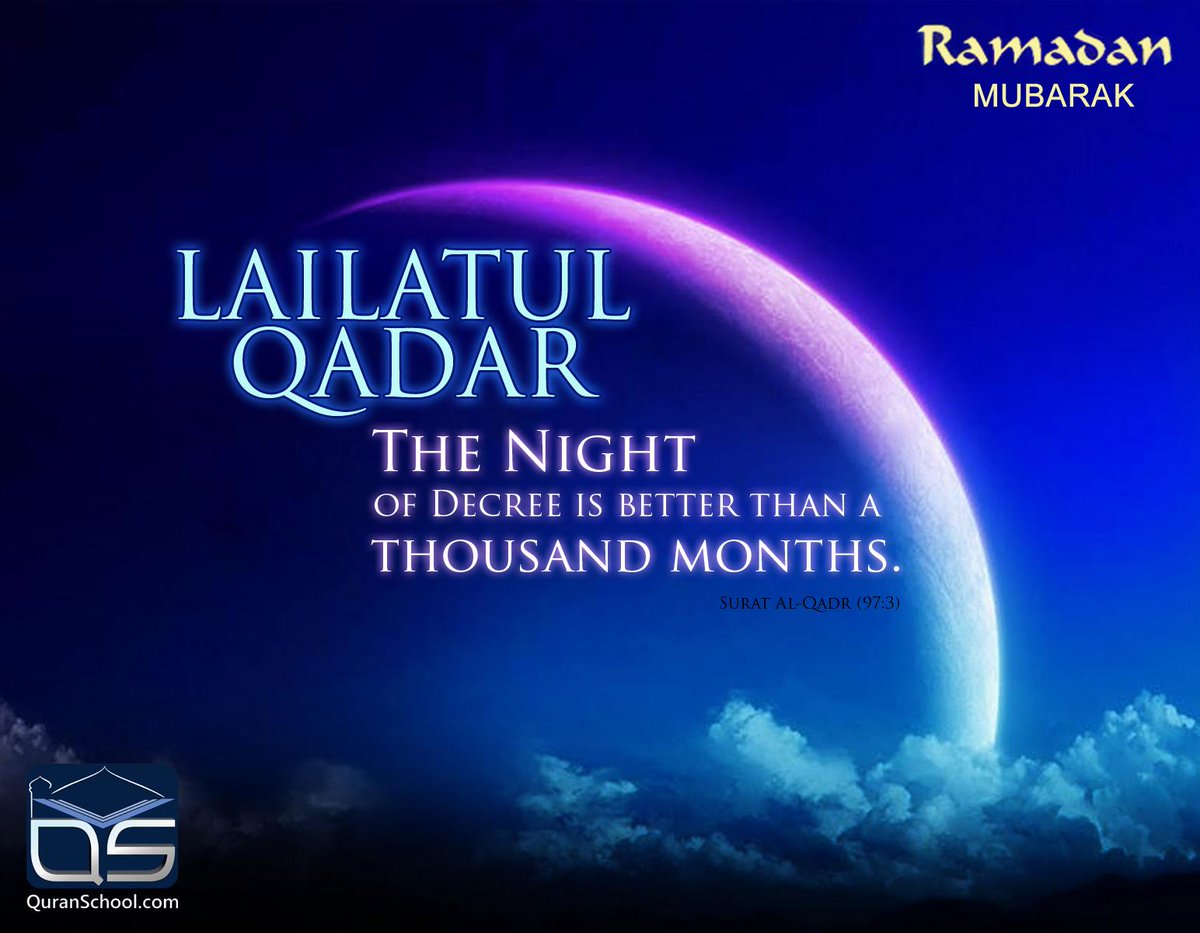
The importance of Lailatul Qadr is excellent. The Holy Quran was sent down in the very night. The Muslims who find Lailatul Qadr should stay up and pray the whole night out of faith and hoping for a reward from Allah. As to the importance of Laylatul Qadr (the Night of Decree), it is better than a thousand months. Allah Almighty says in AlQuran.
“verily! We have sent it (Quran) down in the Night of Decree (Lailatul-Qadr). And what will make you know what the Night of Decree is? The Night of Decree is better than a thousand months. Therein descend the angels and the soul (i.e. Gabriel) by Allah’s Permission with all Decrees, Peace! until the appearance of dawn.” (Al-Qadr 97: 1-5)
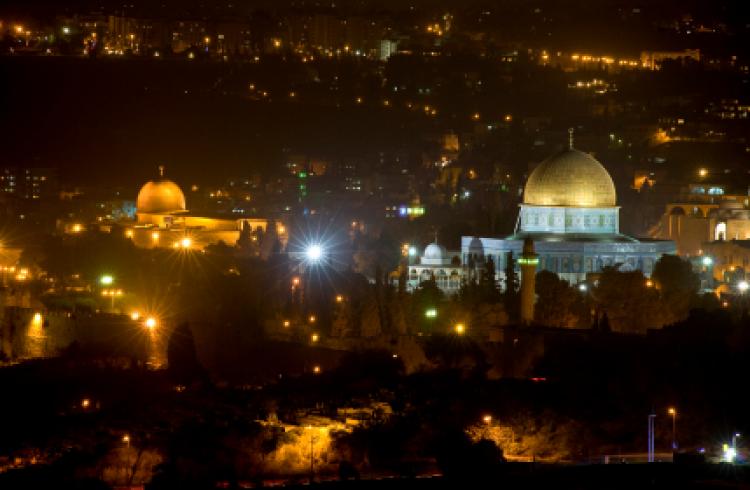
Another important factor related to this night is that in it every decreed matter is conveyed as mentioned in Al-Quran:
“We sent it (Quran) down on a blessed Night. Verily, We are ever warning. Therein ( in that Night) is decreed every matter of ordainment. Amran (i.e. a command or this Quran or His Decree of every matter) from Us. Verily, We are ever sending (the Messenger) (As) a Mercy from your Lord.”
(Ad-Dukhaan 44: 3-6)
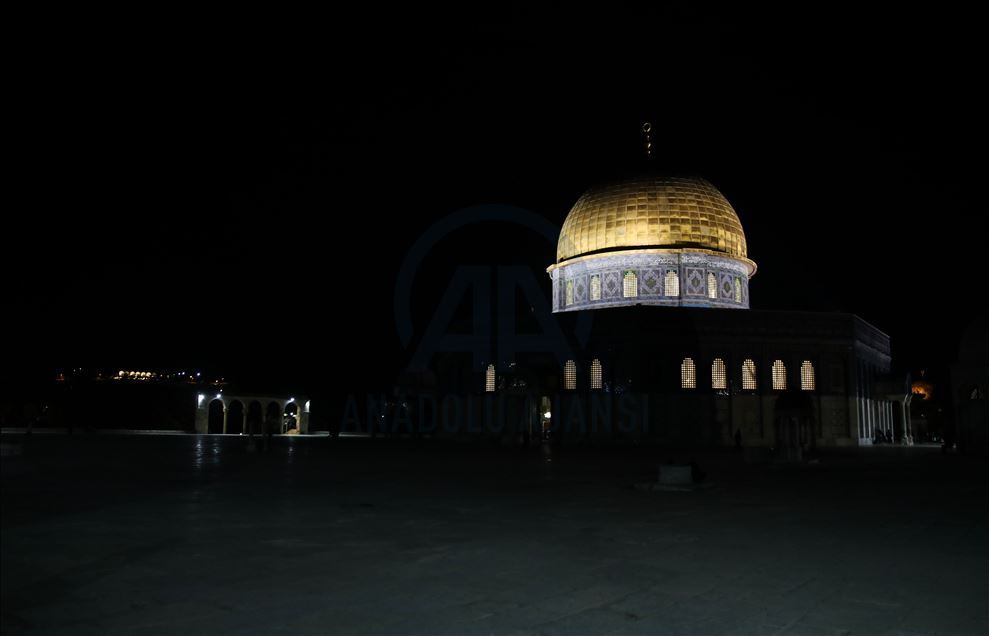
When is Lailatul-Qadr:
It is known from the Hadith that the exact knowledge of when Lailatul Qadr falls was taken because some people argued. Ubaadah ibn as-Saamit (R.A) said:
“The Prophet (P.B.U.H) came out intending to tell us about Lailatul-Qadr, however two men were arguing and he said: “I came out to inform you about Lailatul-Qadr but so and so, and, so and so were arguing, so it was raised up, and perhaps that is better for you, so seek it on the (twenty) ninth and (twenty) seventh and the (twenty) fifth.” (Bukhari)
Also, it is reported from the Prophet (P.B.U.H) that:
“Verily I saw Lailatul Qadr, and I was caused to forget it, and indeed it is during the last ten (nights). It is during an odd night”
So the night of Decree occurs in odd-numbered nights during the last ten days of Ramadan. It may be on twenty-first, twenty-third, twenty-fifth, twenty-seventh or twenty-ninth. Aisha (R.A) narrated:
“Allah’s Messenger (P.B.U.H) used to practice Itikaaf in the last ten nights and say: ‘Seek out Lailatul-Qadr in the (odd nights) of the last ten days of Ramadhan.” (Bukhari, Muslim)
If someone is too weak and unable to pray for all odd nights, then he must not let go the last seven nights. It is reported from Ibn Umar (R.A):
“Allah’s Messenger (P.B.U.H) said: “Seek it in the last ten, and if one of you is too weak or unable then let him not allow that to make him miss the final seven.” (Bukhari, Muslim)

How should we observe Laylatul-Qadr:
1. The Prophet (P.B.U.H) used to stay up and pray on
Lailatul-Qadr, so it is prescribed to stay up and pray the whole night.
The Prophet (P.B.U.H) said:
“Whoever stands in (Prayer) in Lailatul-Qadr out of Eemaan and seeking reward then his previous sins are forgiven.” (Bukhari)
2. It is prescribed to supplicate at the night of Lailatul Qadr. Aisha (R.A) reported,
“O Messenger of Allah! What if I knew which night Lailatul-Qadr was, then what should I say in it?” He said: “Say: Allaahumma innaka ‘affuwwun tuhibbul ‘afwa fa’fu ‘annee.” (O Allah, You are forgiving and You love forgiveness, so forgive me).” (at-Tirmidhi)
3. One should strive hard in worship during the last ten days of Ramadan. The Prophet (P.B.U.H) used to worship in the previous ten days of Ramadan as he never did at any other time. One should pray, read Al-Quran, and make Dua’s. Aisha (R.A) reported :
“The Prophet (P.B.U.H) used to exert himself in the last ten nights more than he would at other times.” (Muslim)
If one misses this blessed night, it is as if he has lost a lot. Therefore every Muslim should pray and hope for the great reward associated with this night.
Lailatul-Qadr-2020
Lailatul-Qadr
Lailatul-Qadr-2020
Lailatul Qadr History
Laylatul-Qadr (Arabic: لیلة القدر), The Night of Power, is the holiest night in the Islamic calendar. Muslims believe that on this night, the Quran was sent down from the heaven to the Earth. The exact date of this night is unknown, but occurs on one of the last ten odd nights of Ramadan (21st, 23rd, 25th, 27th, or 29th). According to Islamic tradition, Muslims who stay up on this holy night worshipping God will have all their sins forgiven. Furthermore, they will be granted as many good deeds as though they had worshipped continuously for one thousand months (83.3 years).
Lailatul Qadr Facts
- An entire chapter of the Quran, called "Al-Qadr" is devoted to explaining the merits of worshipping on Lailatul Qadr.
- According to Islamic tradition, the following are signs of The Night of Power every year: A peaceful night with moderate temperatures, no shooting stars, and a moon that shines without rays. The sun, when it rises, will appear as a disk with no beams of light coming out of it.
- Some Muslims believe that the entire Quran was revealed to Angel Gabriel on this night, who conveyed it to Muhammad verse by verse over a period of twenty-three years, when ordered to do so by God.
- Muslims who can afford to take time off work spend every single one of the last ten nights in prayer, hoping to find Laylatul Qadr, trying to emulate the traditions of the Prophet Muhammad. They fast during the day and study the Quran and pray during the night. The Prophet Muhammad used to do the same. In fact, according to his wife, he would tighten his belt and pray all night, and encouraged his family members to pray all night as well. (Bukhari, Sahih Bukhari, Volume 3, Book 32, Number 241)

Lailatul Qadr Top Events and Things to Do
- There are several Islamic recommended acts for Muslims to do on this night: Study the Quran, give charity, strive for forgiveness, pray, make duma (a more personal prayer during which Muslims ask God for things that they need), and remember the power of God.
- For Lailatul Qasr Muslims congregate in mosques to pray and worship all night together. Imams often give sermons that teach listeners about the best prayers they can make that night.
- On
this night, many Muslims give money away in charity, after more than 20
days of fasting. The rewards of charity are multiplied on
Laylatul-Qadr. This can be evidenced by the Prophet Muhammad's
teachings:
Whoever draws near to Allah during it (Ramadan) with a single characteristic from the characteristics of (voluntary) goodness, he is like whoever performs an obligatory act in other times. And whoever performs an obligatory act during it, he is like whoever performed seventy obligatory acts in other times.
- Ibn Khuzaymah, Sahih Ibn Khuzaymah, no. 1887.
Subscribe to:
Posts (Atom)